
Rajendra K. Agrawal, PhD
Structure and Function of Cell’s Protein-Synthesizing “Machine”
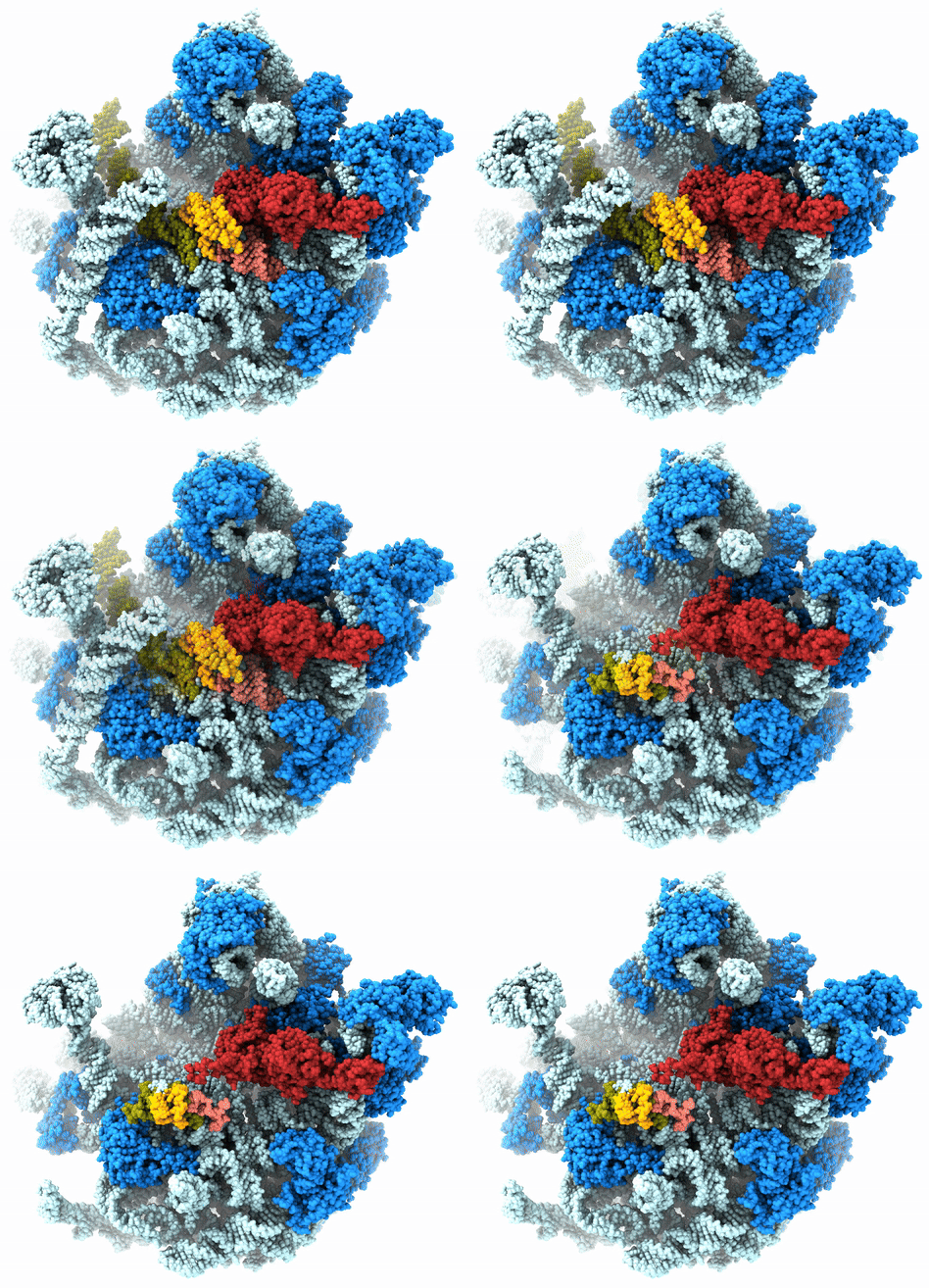
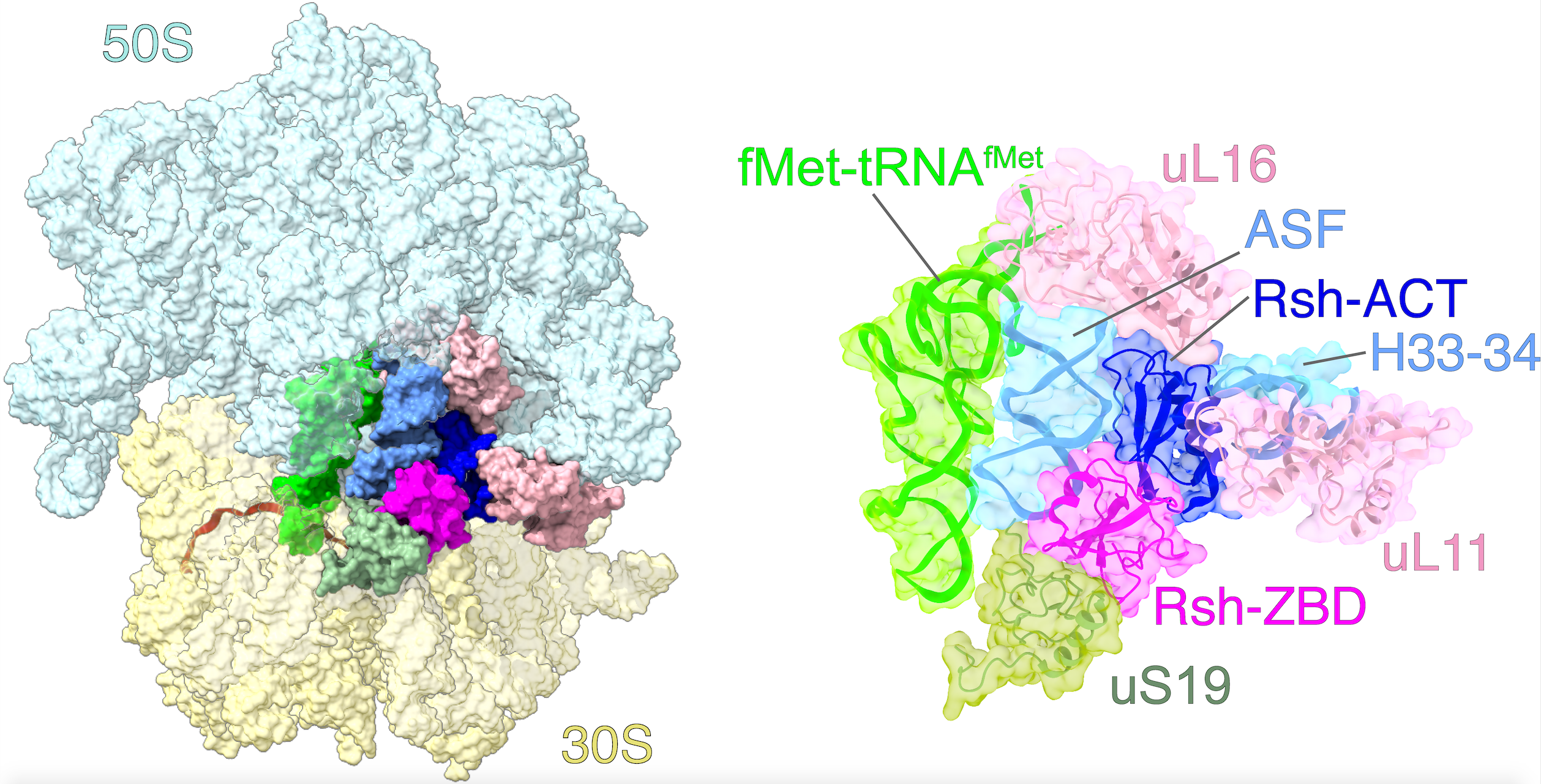
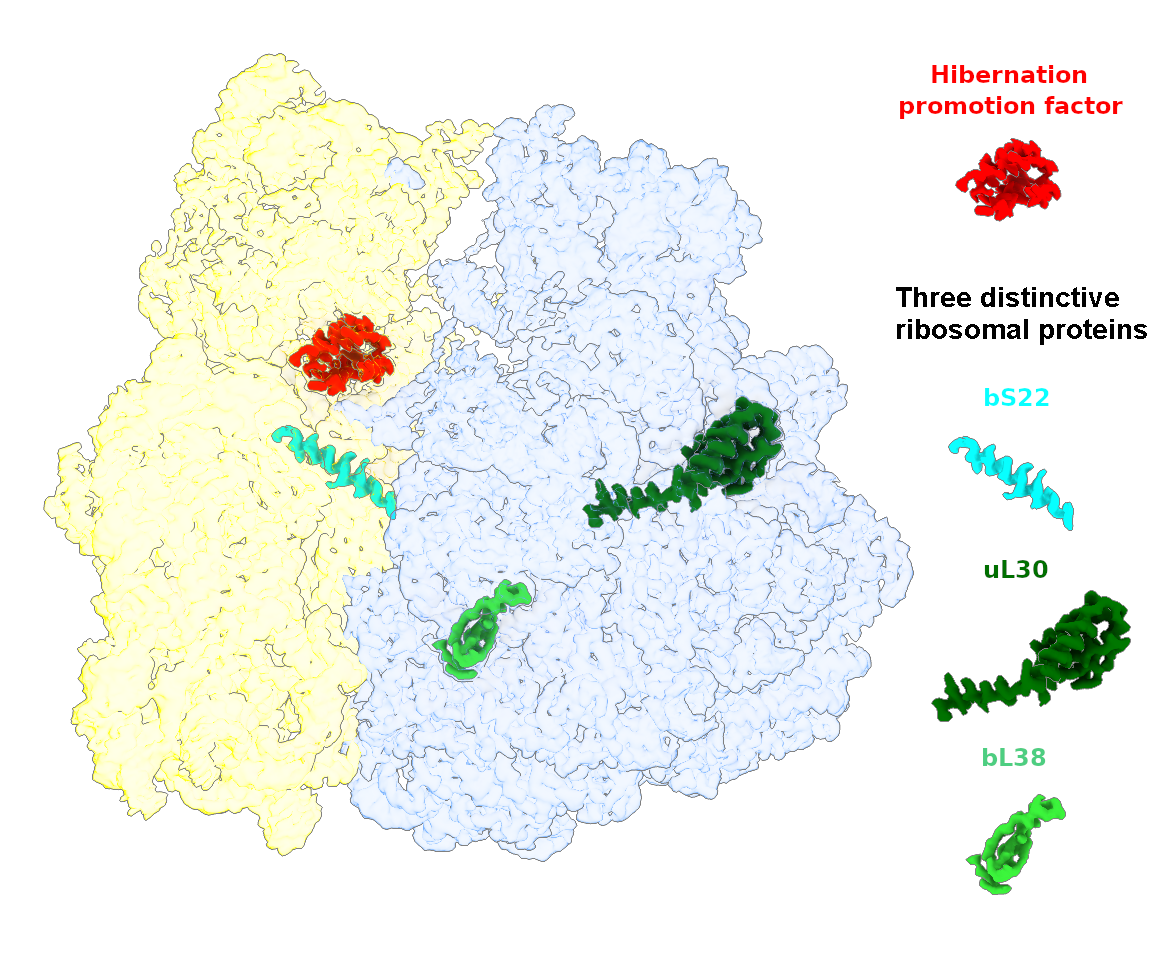
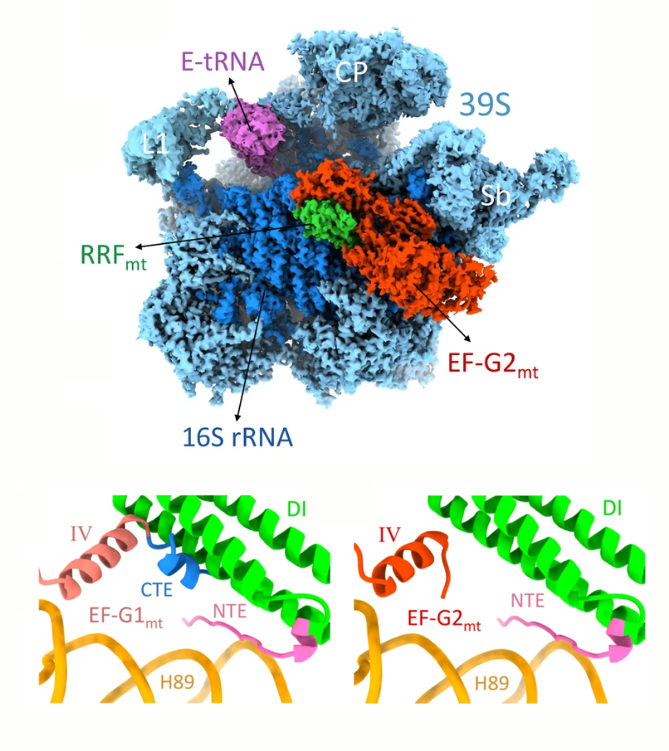
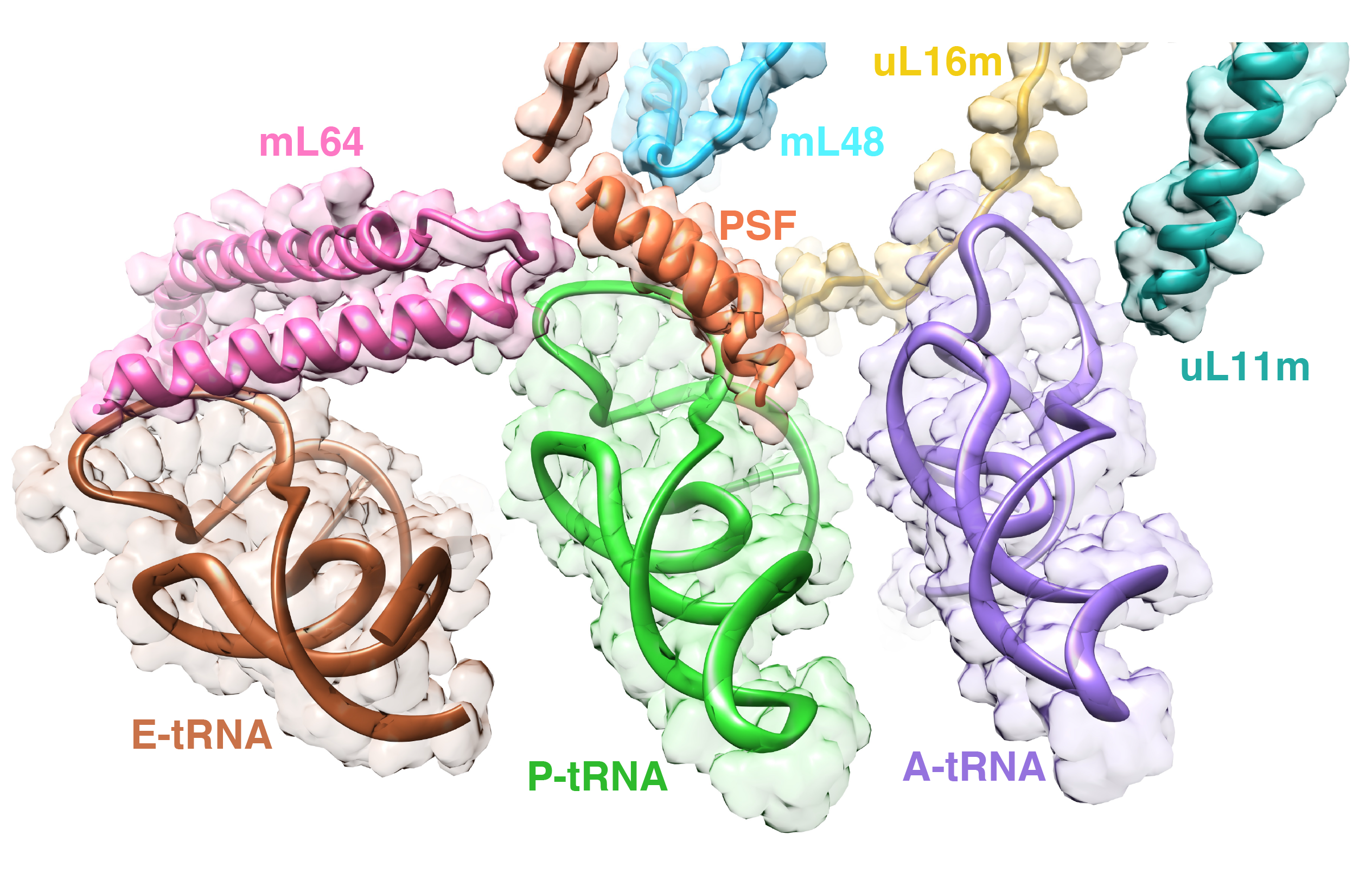
The Agrawal Laboratory studies the mechanism of protein-synthesis, or gene translation, in humans and in pathogenic bacteria. Ribosomes lie at the center of the protein synthesis machinery in all organisms. While the bacterial ribosomes are the major targets of antibiotics, defects in human mitochondrial ribosomes (mitoribosomes) and translation cause multiple devastating genetic diseases. A deep understanding of ribosome structure and function in humans and pathogenic bacteria is necessary for designing or identifying drug targets so that safer drugs can be designed without affecting the human translational machinery. The Agrawal Lab’s emphasis is on (i) human mitochondrial, and (ii) mycobacterial ribosomes. His lab uses biochemical, molecular biology, and high-resolution cryo-electron microscopy (cryo-EM) techniques to study these biological systems.
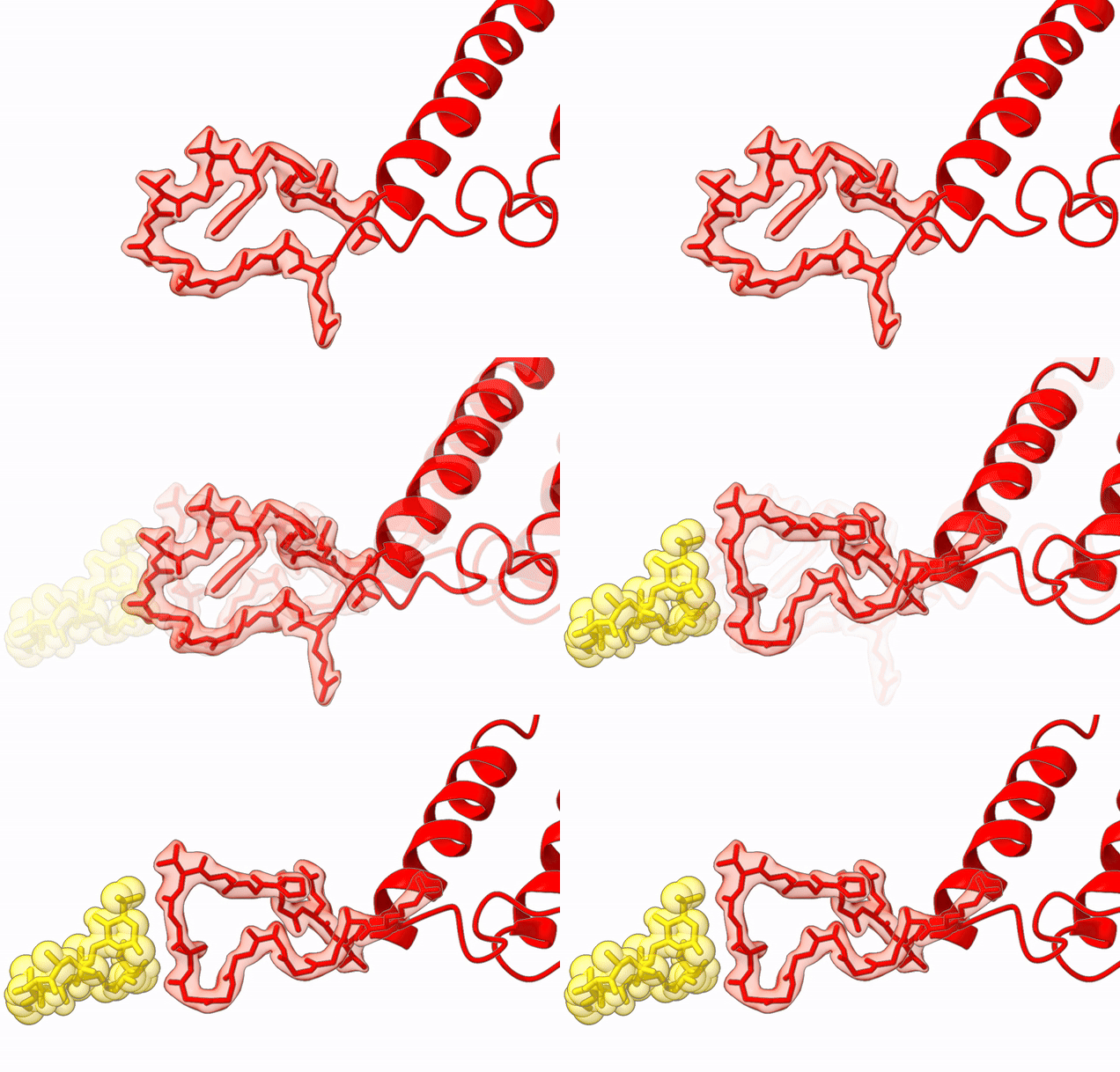
Studies in the Agrawal Lab allow tracking of conformational transitions undergone by the ribosome and its ligands during protein synthesis. Knowledge of specific conformational transitions is key to understanding the molecular mechanisms of protein synthesis itself, as well as the actions of antibiotics that target the bacterial ribosome or ribosomal ligands to inhibit such transitions. Comparison of results obtained for the bacterial ribosome complexes with those for the host cytosolic and mitochondrial ribosome complexes provides useful information that can lead to identification of new drug targets.